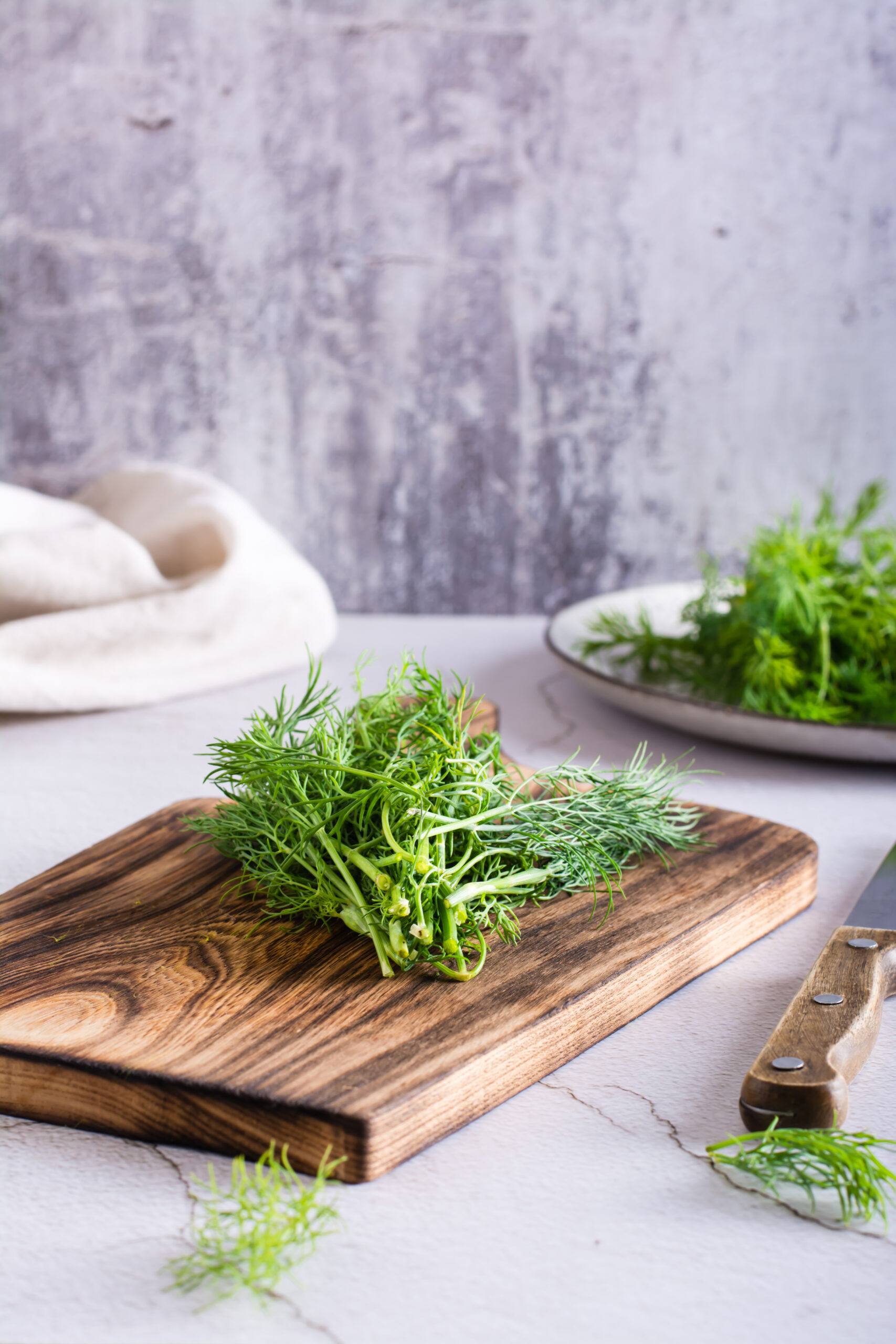
Dill (Anethum graveolens), commonly known as dill weed, is a vibrant herb that adds color, flavor, and fragrance to your meals. Not only does it enhance dishes with its fresh, grassy taste, but it’s also packed with nutritional benefits. From its culinary uses to its medicinal properties, dill has been valued for centuries in both Asian and European cultures for its ability to support health and elevate meals. Let’s take a closer look at how this versatile herb can boost your diet and wellbeing.
Culinary Uses: A Flavorful Herb in Your Kitchen
Dill is an aromatic herb widely used to enhance the flavor of various dishes. The delicate leaves, with their soft, feathery texture, offer a light, grassy flavor, while the seeds, which are slightly more citrusy, contribute a distinct, slightly caraway-like taste. Dill is commonly paired with fish, potatoes, yogurt-based sauces, and pickles, providing a fresh and zesty kick to your meals.
Its versatility extends beyond the kitchen—dill can be used fresh, dried, or in powdered form, and its extracts are often found in health supplements. Whether fresh or dried, dill can add depth to sauces, marinades, and dressings, making it a staple in the pantry of any home chef.
A Nutrient Powerhouse
Dill is more than just a flavorful addition to your food. This herb is also a nutrient-dense powerhouse that offers several key vitamins and minerals. Despite its low calorie content, dill is an excellent source of vitamin C, vitamin A, and manganese—all of which contribute to a range of health benefits.
- Vitamin A: Vital for maintaining good vision, a strong immune system, and healthy reproductive function, vitamin A plays a crucial role in overall health.
- Vitamin C: This essential vitamin helps support bone development, wound healing, and metabolism, and is a strong antioxidant that protects your cells from oxidative damage.
- Manganese: This mineral supports bone health and plays a role in metabolism and the body’s ability to process nutrients.
Ancient Healing Uses: From Colic to Menstrual Pain Relief
Beyond its culinary charm, dill has a long history as a medicinal herb. In ancient times, dill was used to treat various ailments, including digestive problems, colic in newborns, and breastfeeding difficulties. The name “dill” is derived from the Old Norse word “dilla,” which means “to calm,” reflecting its soothing properties.
Dill’s medicinal uses extend to relieving menstrual cramps, improving digestion, and combating bad breath. Dill extract has also shown potential in diabetic management, cholesterol reduction, and even aiding labor and delivery ease. While these uses have been traditionally practiced, more research is needed to validate these benefits fully.
Packed with Antioxidants: A Shield for Your Cells
One of dill’s standout features is its high antioxidant content. Antioxidants are naturally occurring compounds that protect your cells from damage caused by free radicals—unstable molecules that can contribute to chronic inflammation and the development of diseases like heart disease, Alzheimer’s, and cancer.
Dill contains a variety of antioxidants, including terpenoids and tannins, both of which offer protection against oxidative stress. Terpenoids, found in dill’s essential oils, are linked to the protection of the brain, kidneys, liver, and heart, while tannins are known for their strong antioxidant and antibacterial properties.
Moreover, the vitamin C found in dill also contributes to its antioxidant properties, further supporting cell protection and immune health.
Heart Health: Dill’s Potential in Reducing Cholesterol and Triglycerides
Heart disease remains the leading cause of death globally. Research suggests that lifestyle changes, including improving diet and reducing risk factors like smoking and physical inactivity, could prevent many heart disease cases. Dill, with its powerful anti-inflammatory and antioxidant properties, may help in maintaining heart health.
Studies have shown that dill extract can lower triglycerides and LDL (bad) cholesterol levels, both of which are risk factors for heart disease. One study revealed that taking dill extract significantly reduced cholesterol and triglyceride levels in individuals with high levels of both. However, the impact of fresh or dried dill on heart health remains uncertain and requires more research.
Blood Sugar Control: A Natural Aid for Diabetic Management?
Dill has shown promise in regulating blood sugar levels, which is crucial for those at risk of type 2 diabetes. Several studies involving diabetic animals have demonstrated improvements in fasting blood sugar levels with daily dill extract administration. While human studies are still limited, the potential benefits of dill in supporting blood sugar control are worth exploring further.
Anticancer Properties: The Power of Monoterpenes
Dill contains a high concentration of monoterpenes, particularly d-limonene, a compound linked to anticancer effects. Monoterpenes are known for their anticancer, anti-inflammatory, and antiviral properties. Preliminary research suggests that d-limonene may play a role in preventing or treating cancers like lung, breast, and colon cancer.
While no studies have yet confirmed dill’s role in cancer prevention or treatment, the presence of monoterpenes in dill offers hope for future investigations.
Additional Health Benefits of Dill
- Antibacterial Properties: Dill essential oils possess antibacterial qualities, helping combat harmful bacteria such as Klebsiella pneumonia and Staphylococcus aureus.
- Bone Health: Dill is rich in calcium, magnesium, and phosphorus, which are essential for maintaining strong and healthy bones.
- Menstrual Pain Relief: Dill essential oils may help ease the discomfort associated with menstrual cramps, although research on this is still in its early stages.
Conclusion: A Small Herb with Big Benefits
Dill is much more than a flavorful addition to your meals. With its rich nutrient profile, antioxidant properties, and potential medicinal benefits, this humble herb has earned its place in both kitchens and natural medicine cabinets worldwide. Whether you’re using dill to enhance a dish or as a supplement for better health, it’s a plant that delivers a range of benefits, from heart health to digestive support. So, why not sprinkle a little more dill into your life and enjoy all it has to offer?
Note: While dill has shown promising health benefits, further research is required, particularly on its effects in humans. Always consult with a healthcare provider before using dill or any supplement for medicinal purposes.